



When a loved one passes away, navigating the series of events that follow can be a challenging and emotional experience. Among the most significant of these are viewings and visitations, two distinct yet related rituals that provide an opportunity for family and friends to pay their respects, offer condolences, and find a sense of closure. Understanding the purpose and etiquette of these events can help attendees feel more comfortable and ensure their presence is a source of comfort for the grieving family.
What Is a Viewing?
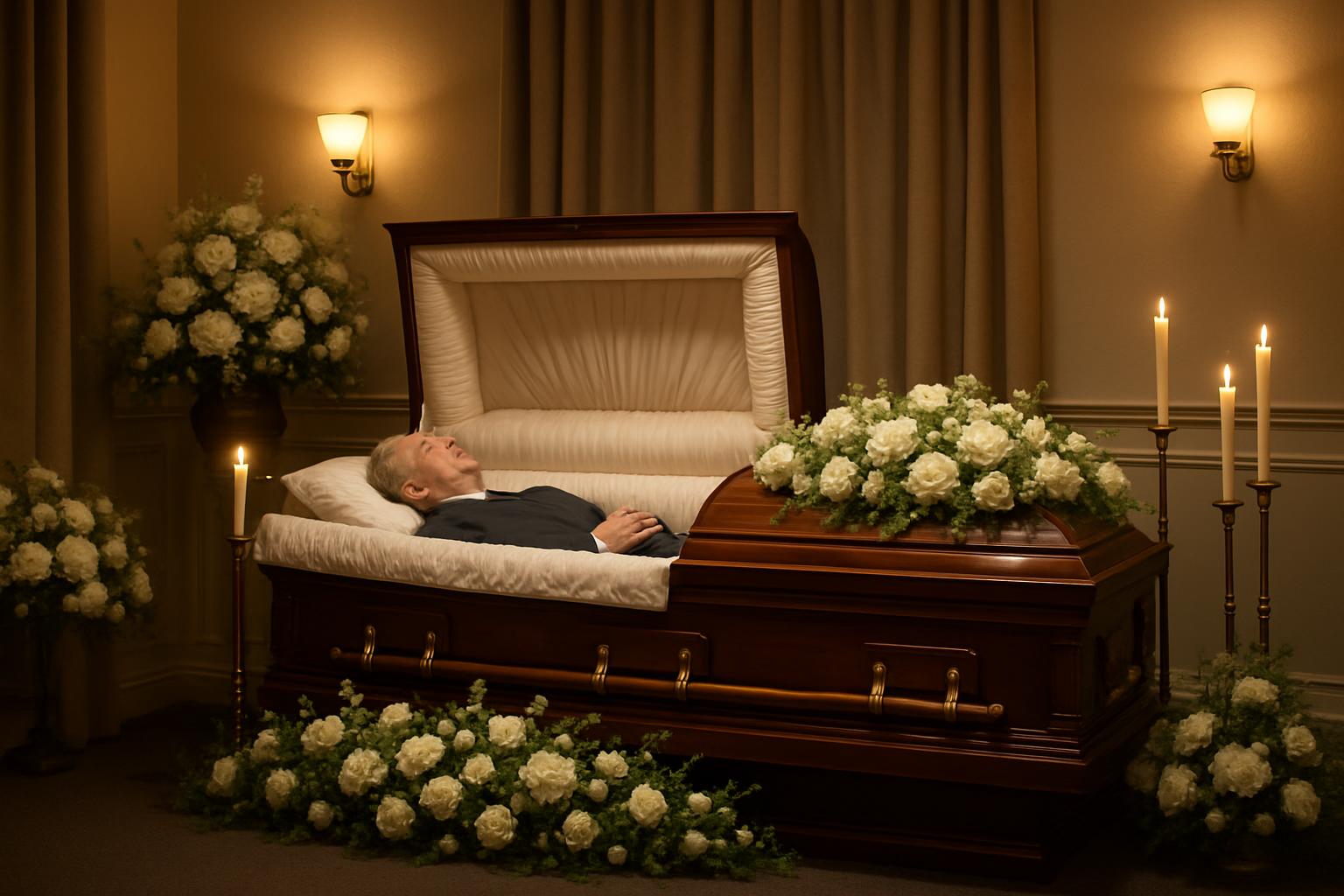
A viewing is a funeral ritual where the body of the deceased is present, often in an open casket, allowing mourners to see their loved one one last time 1. This can be a public event or a private gathering for close family and friends. The primary purpose of a viewing is to provide a tangible and personal way to say goodbye, which can be a crucial step in the grieving process. For many, seeing the deceased helps in acknowledging the reality of death, a necessary step towards healing and acceptance 3.
“The act of viewing the person can play an important role in the grieving process. It’s an opportunity to say goodbye in person, to touch that special person one final time, to kiss their forehead in farewell.” 1
While the family is not required to be present, they often are, providing an opportunity for attendees to offer their condolences directly. As part of the broader spectrum of Funeral Services & Options, a viewing is a deeply personal choice that can provide a sense of peace and finality.
The practice of a viewing, while common in many Western cultures, is not universal and can be influenced by religious and cultural beliefs. For instance, some faiths and cultures have specific traditions regarding the preparation and presentation of the body, while others may not practice open-casket viewings at all. The decision to have a viewing is a personal one for the family, and it is often made in consultation with a funeral director who can provide guidance on the available options and what is most appropriate for their circumstances.
For those who choose to have a viewing, the experience can be a powerful and cathartic one. It provides a final opportunity to see the person, to say the things that were left unsaid, and to begin the process of letting go. It can also be a time for quiet reflection and prayer, a moment of peace amidst the turmoil of grief. The presence of the body can make the loss feel more real, which, while painful, is an essential part of the grieving process. It is a time to confront the reality of death in a safe and supportive environment, surrounded by others who share in the loss.
What Is a Visitation?
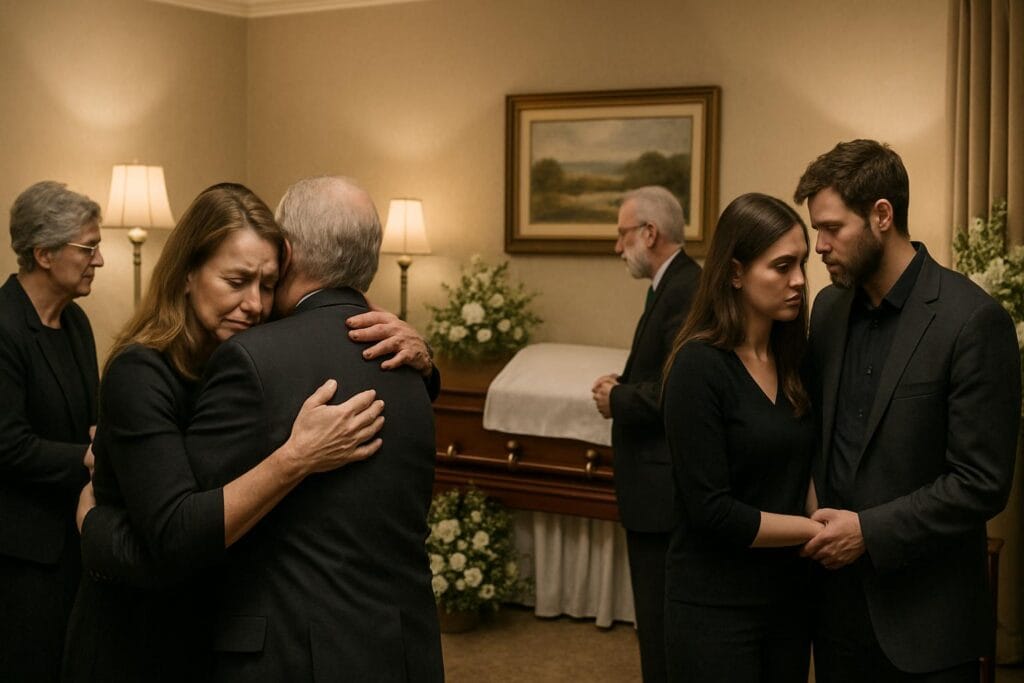
A visitation, on the other hand, is a more social gathering where the focus is on supporting the grieving family 2. While the deceased may be present in a closed casket or as cremated remains in an urn, the body is not on display for viewing 1. The primary purpose of a visitation is to offer comfort and condolences to the family, share memories of the deceased, and provide a sense of community and support. Visitations are typically more informal than a funeral service and allow for more extended conversations and personal interactions. They are an important part of the various Types of Funeral Ceremonies available to families.
Visitations are often held in the evening, for a few hours, and may take place at a funeral home, a place of worship, or even the family’s home. The atmosphere is generally more relaxed than that of a funeral, and it is a time for people to connect with one another, to share stories and laughter, and to celebrate the life of the person who has passed away. It is a time to remember the person not just in death, but in life, and to find comfort in the shared memories and experiences.
The social aspect of a visitation is a key element of its healing power. Grief can be an isolating experience, and a visitation provides a space for people to come together and support one another. It is a reminder that they are not alone in their grief, and that there is a community of people who care about them and who are there to help them through this difficult time. The simple act of being present, of offering a hug or a kind word, can make a world of difference to a grieving family.
Viewing vs. Visitation: Key Differences
While both viewings and visitations serve as important pre-funeral rituals, their key differences lie in their primary focus and the presence of the deceased’s body. The following table highlights the main distinctions:
| Feature | Viewing | Visitation |
| Primary Purpose | To see the deceased and say a final goodbye | To offer condolences and support to the family |
| Presence of Body | Body is present and visible (usually open casket) | Body is not visible (may be closed casket or urn) |
| Focus | The deceased | The grieving family |
| Atmosphere | More somber and reflective | More social and conversational |
Understanding these differences can help you decide which event to attend, or how to prepare for each. For more on funeral choices, see our article on the Difference Between Burial and Cremation.
It is also worth noting that it is possible to have a combination of both a viewing and a visitation. For example, a family might choose to have a private viewing for close family members, followed by a public visitation where friends and community members can come to pay their respects. This allows for both an intimate and personal farewell, as well as a broader community gathering of support.
The choice between a viewing, a visitation, or a combination of both is a deeply personal one, and there is no right or wrong answer. It is important for families to choose the option that feels most comfortable and meaningful to them, and that best honors the life and memory of their loved one.
The Purpose of Viewings and Visitations
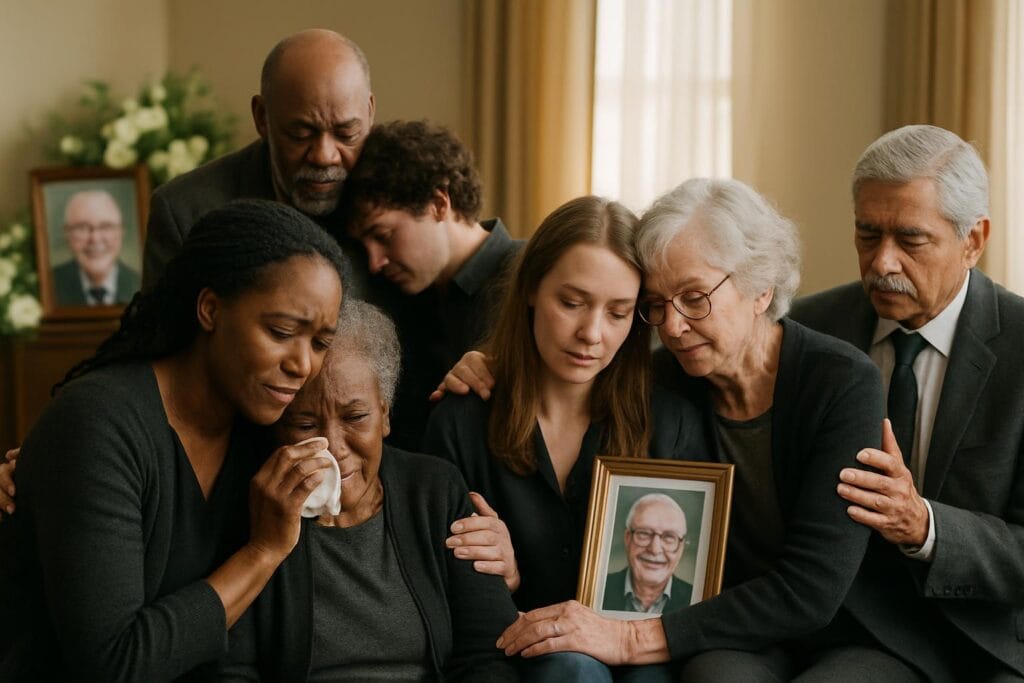
Both viewings and visitations serve a vital emotional and psychological purpose for those who are grieving. They provide a structured environment for mourners to process their loss and begin the healing journey. These rituals offer a space for:
•Closure and Acceptance: Seeing the deceased one last time can help in accepting the reality of death 3.
•Emotional and Social Support: Gathering with others who share in the grief provides a sense of community and shared healing 3.
•Honoring a Life: Both events are an opportunity to remember and honor the life of the person who has passed away.
These pre-funeral rituals are not just for the benefit of the immediate family, but for the entire community of people who were touched by the life of the deceased. They provide a space for everyone to come together, to share their grief, and to find comfort in the company of others. They are a reminder that even in death, a person’s life continues to have an impact on the world, and that their memory will live on in the hearts and minds of those who knew and loved them.
The structured nature of these events can also be a source of comfort in a time of chaos and emotional upheaval. They provide a sense of order and predictability, a framework for how to navigate the difficult and often confusing process of grieving. They are a reminder that there is a path forward, and that even in the darkest of times, there is hope for healing and renewal.
What Happens During a Viewing or Visitation?
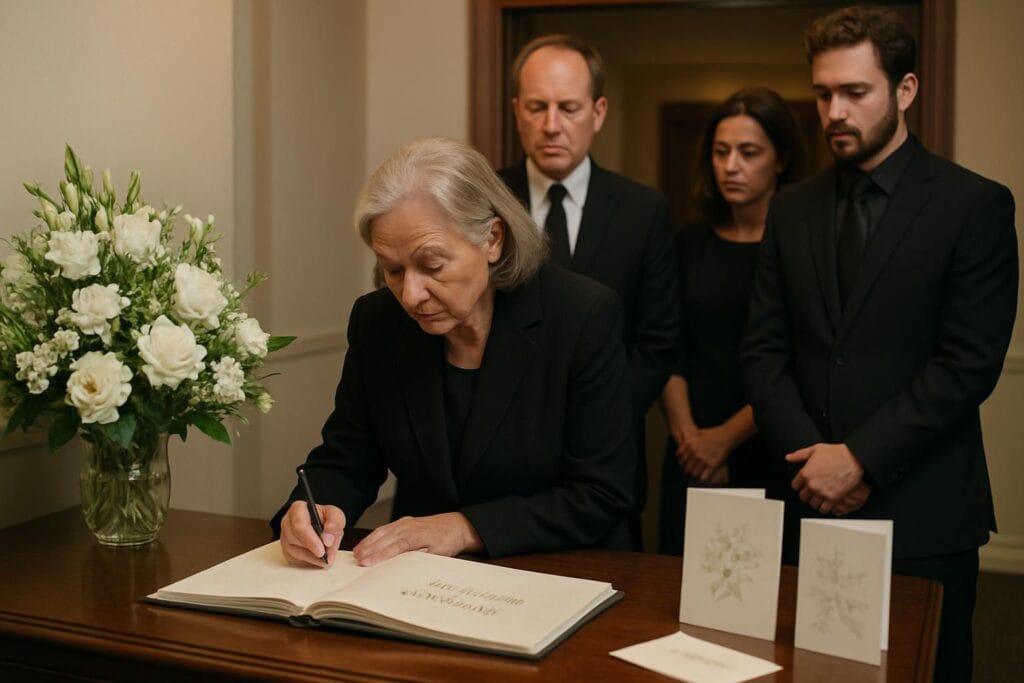
Upon arriving at a viewing or visitation, you will typically be greeted by a funeral home staff member who can guide you. You should sign the guestbook, and then you may proceed to greet the family and offer your condolences. If it is a viewing, you may then approach the casket to pay your respects. It is important to be mindful of the time and allow others the opportunity to do the same. For more on the different types of services, see our article on Memorial Services vs Celebration of Life.
The guestbook is an important part of the visitation, as it provides the family with a record of who attended and allows them to see the outpouring of support from their community. When you sign the guestbook, be sure to write your name clearly, and you may also wish to include a brief note of condolence or a fond memory of the deceased.
After signing the guestbook, you should make your way to the receiving line to greet the family. It is important to be patient and to wait your turn, as there may be many people who wish to offer their condolences. When it is your turn to speak with the family, keep your words brief and sincere. A simple expression of sympathy is all that is needed. You may also offer a hug or a handshake, if it feels appropriate.
If there is an open casket, you may choose to approach it to pay your respects. This is a personal decision, and you should not feel pressured to do so if you are not comfortable. If you do choose to approach the casket, do so with reverence and respect. You may wish to say a silent prayer or to simply stand in quiet reflection for a few moments. It is generally not appropriate to touch the deceased, unless it is a specific cultural or family tradition.
Viewing and Visitation Etiquette
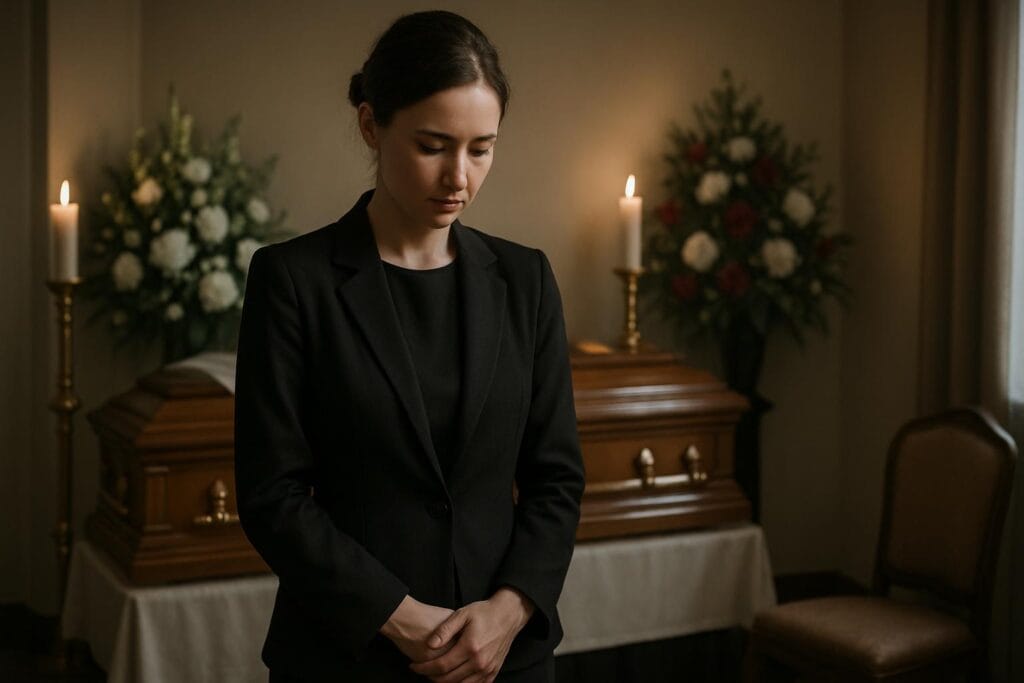
Proper etiquette at a viewing or visitation is essential to show respect for the deceased and their family. Here are some key guidelines to follow:
What to Wear
It is best to dress in conservative and respectful attire. Dark and muted colors are generally recommended, such as black, navy, or gray 4. Avoid flashy or revealing clothing 4. The goal is to show respect and to not draw attention to yourself. Men should typically wear a suit or a dress shirt and slacks, while women should wear a dress, skirt, or pantsuit. It is also important to be mindful of your footwear, and to choose shoes that are comfortable and appropriate for the occasion.
When to Arrive and How Long to Stay
Aim to arrive within the first half-hour of the designated visitation time 5. It is important not to arrive too early, as the family may still be preparing. Stay for a reasonable amount of time, being mindful of other visitors who wish to pay their respects. A brief visit of 15-20 minutes is generally acceptable. If you are a close friend or family member, you may wish to stay longer, but it is important to be sensitive to the needs of the immediate family and to not overstay your welcome.
How to Interact with the Family
When offering condolences, keep your words brief, sincere, and heartfelt. A simple “I’m so sorry for your loss” is always appropriate 5. If you have a fond memory of the deceased, you may share it briefly. It is also important to listen attentively if the family wishes to talk. Avoid offering unsolicited advice or platitudes, as this can be unhelpful and even hurtful. The most important thing is to let the family know that you care and that you are there for them.
Behavior Expectations
Maintain a respectful and subdued demeanor. Avoid loud conversations, laughter, and using your cell phone 5. It is also considered inappropriate to take photographs or selfies 4. Remember that this is a time for quiet reflection and for showing respect to the deceased and their family. If you need to have a conversation, do so in a quiet and respectful tone. It is also important to be mindful of your body language, and to avoid any gestures or expressions that could be seen as disrespectful.
Tips for First-Time Attendees
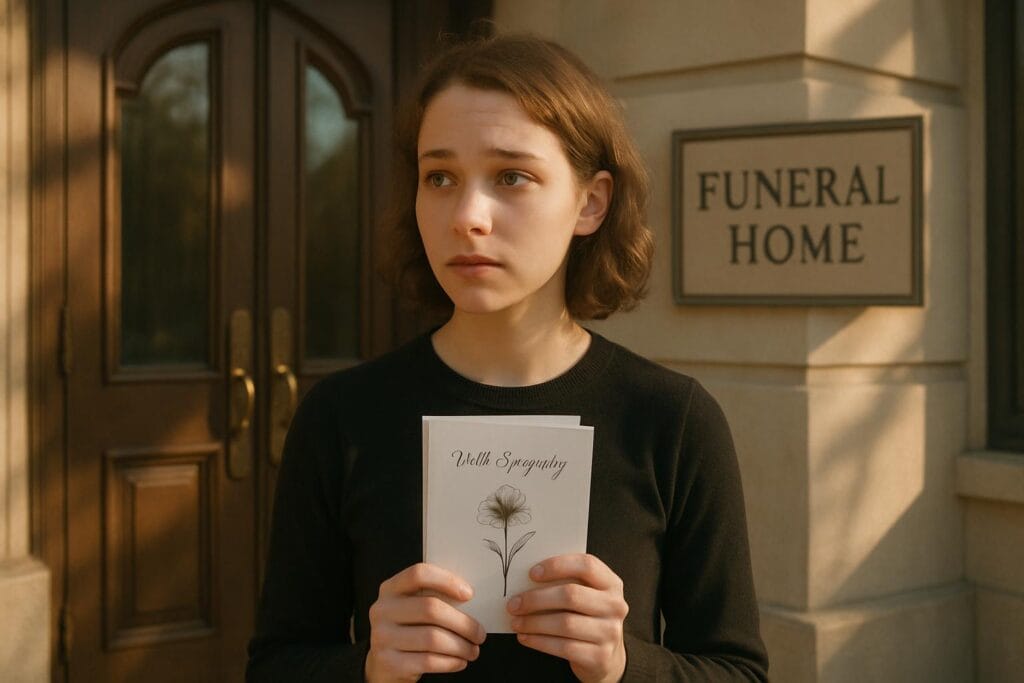
Attending a viewing or visitation for the first time can be daunting. It is important to prepare yourself emotionally and to remember that your presence is a sign of support for the family. Bringing a sympathy card is a thoughtful gesture, but flowers are not always necessary. If you are unsure of what to do or say, it is always best to err on the side of caution and to follow the lead of others. Remember that the most important thing is to be present and to show your support for the grieving family.
It is also important to be prepared for the emotional intensity of the event. You may see people crying or expressing their grief in other ways, and it is important to be respectful of their emotions. It is also okay for you to feel and express your own emotions, but it is important to do so in a way that is respectful of others. If you feel overwhelmed, it is okay to step outside for a few moments to compose yourself.
How Families Can Personalize a Viewing or Visitation
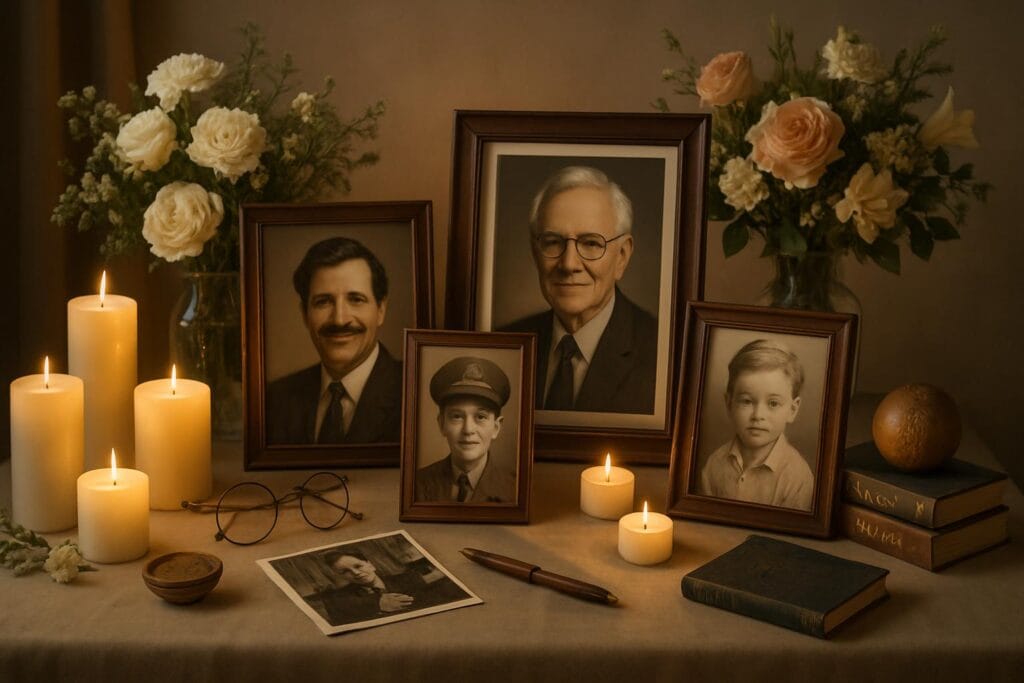
Families can personalize these events to reflect the life and personality of their loved one. This can be done through displaying photographs, playing their favorite music, or creating a memory table with personal items. For more ideas, see our article on Personalizing Funeral Services.
Personalization can be a powerful way to honor the life of the deceased and to create a more meaningful and memorable experience for all who attend. It is a way to celebrate the unique and special qualities of the person who has passed away, and to remember them not just in death, but in life.
Some other ideas for personalization include:
•Creating a video montage of photos and home videos.
•Serving the deceased’s favorite food or drink.
•Asking guests to write down a favorite memory of the deceased on a card or in a book.
•Displaying artwork or other creative projects that the deceased created.
•Incorporating elements of the deceased’s hobbies or interests into the decor.
Common Questions About Viewings and Visitations
What is the difference between a viewing and a visitation?
A viewing is when the body of the deceased is present for mourners to see, while a visitation is a gathering to support the family where the body is not on display.
Do I have to attend both the viewing and the funeral service?
No, it is not required to attend both. You can choose to attend whichever event you feel is most appropriate for you.
What should I wear to a viewing or visitation?
Conservative and respectful attire in dark or muted colors is recommended.
How long should I stay at a visitation?
A brief visit of 15-20 minutes is generally acceptable, but you may stay longer if you are a close friend or family member.
Is it appropriate to bring children to a viewing?
This is a personal decision for the parents to make. It is important to consider the child’s age and maturity level, and to prepare them for what they will see and experience.
